
Kyle Hammerschmidt

Tax-Efficient Retirement Planning: Why Retirees Overpay the IRS and How to Avoid It

Tax-Efficient Retirement Planning: Why Retirees Overpay the IRS and How to Avoid It

You’ve spent decades building your retirement nest egg. But as retirement approaches, one of the biggest threats to your savings often flies under the...

You’ve spent decades building your retirement nest egg. But as retirement approaches, one of the biggest threats to your savings often flies under the radar:

Taxes.

At MAKON Wealth, we frequently see retirees unknowingly overpaying the IRS, often by hundreds of thousands of dollars over the course of their retirement.

Let’s fix that.

Taxes: Your Largest Expense in Retirement?

Most retirement strategies are built to defer taxes, not reduce them. This “deal with it later” mindset might work during your working years, but in retirement, it can backfire.

For over 30 years, you were likely told to:

  • Max out your 401(k)


  • Avoid touching retirement accounts


  • Defer income to lower your current tax bill


  • Assume you’ll retire in a lower tax bracket


The result? Many retirees have 90% or more of their savings in pre-tax IRAs and 401(k)s, and are sitting on a huge future tax liability.

The Big Red Flag in Retirement Planning

If your current advisor only talks about investment diversification and not tax diversification, that’s a major red flag.

Smart retirement planning must include:

  • Year-by-year tax projections


  • Roth conversion strategies


  • Coordinated withdrawal planning with Social Security and Medicare


Working with an advisor who doesn’t review your tax return is like seeing a doctor who ignores your lab results.

When to Start: Your Critical Tax Window

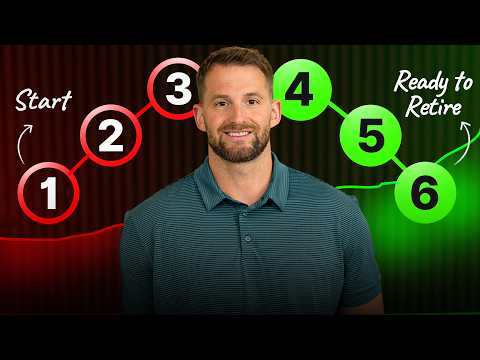
The best time to start tax planning is the 15-year window that spans:

  • Five years before retirement


  • Ten years after retirement begins


During this time, you can implement powerful tax strategies before Required Minimum Distributions (RMDs) kick in or Medicare surcharges hit.

What you need isn't just a diversified portfolio. You need a diversified tax strategy:

  • A thoughtful withdrawal plan


  • Tactics to smooth out future tax brackets


  • Strategies to minimize RMDs


  • Approaches to avoid Medicare premium surcharges


  • Control over how much tax you pay and when you pay it


Three Truths About Retirement Tax Planning

  1. Taxes should be central, not an afterthought


  2. Earlier planning means better outcomes


  3. You don’t need to be a tax expert. You just need a plan


Final Thought: Keep More of What You’ve Earned

After decades of saving, you deserve to enjoy what you’ve built—not hand more of it over to the IRS.

With a proactive tax strategy, you can:

  • Reduce your lifetime tax bill


  • Increase your retirement income


  • Leave more for your family or favorite causes


It’s not about how much you’ve saved. It’s about how much you get to keep and spend.

Ready for a tax-smart retirement plan?
Let’s talk about how MAKON Wealth can help you keep more of what’s yours.

Disclaimer:

You should always consult a financial, tax, or legal professional familiar with your unique circumstances before making any financial decisions. This video is intended for educational purposes only. Nothing in this video constitutes a solicitation for the sale or purchase of any securities. Any mentioned rates of return are historical or hypothetical in nature and are not a guarantee of future returns. Past performance does not guarantee future performance. Future returns may be lower or higher. Investments involve risk. Investment values will fluctuate with market conditions, and security positions, when sold, may be worth less or more than their original cost. MOKAN Wealth Management is a registered investment adviser with the SEC. Registration of an investment adviser does not imply a certain level of skill or training.

You’ve spent decades building your retirement nest egg. But as retirement approaches, one of the biggest threats to your savings often flies under the radar:

Taxes.

At MAKON Wealth, we frequently see retirees unknowingly overpaying the IRS, often by hundreds of thousands of dollars over the course of their retirement.

Let’s fix that.

Taxes: Your Largest Expense in Retirement?

Most retirement strategies are built to defer taxes, not reduce them. This “deal with it later” mindset might work during your working years, but in retirement, it can backfire.

For over 30 years, you were likely told to:

  • Max out your 401(k)


  • Avoid touching retirement accounts


  • Defer income to lower your current tax bill


  • Assume you’ll retire in a lower tax bracket


The result? Many retirees have 90% or more of their savings in pre-tax IRAs and 401(k)s, and are sitting on a huge future tax liability.

The Big Red Flag in Retirement Planning

If your current advisor only talks about investment diversification and not tax diversification, that’s a major red flag.

Smart retirement planning must include:

  • Year-by-year tax projections


  • Roth conversion strategies


  • Coordinated withdrawal planning with Social Security and Medicare


Working with an advisor who doesn’t review your tax return is like seeing a doctor who ignores your lab results.

When to Start: Your Critical Tax Window

The best time to start tax planning is the 15-year window that spans:

  • Five years before retirement


  • Ten years after retirement begins


During this time, you can implement powerful tax strategies before Required Minimum Distributions (RMDs) kick in or Medicare surcharges hit.

What you need isn't just a diversified portfolio. You need a diversified tax strategy:

  • A thoughtful withdrawal plan


  • Tactics to smooth out future tax brackets


  • Strategies to minimize RMDs


  • Approaches to avoid Medicare premium surcharges


  • Control over how much tax you pay and when you pay it


Three Truths About Retirement Tax Planning

  1. Taxes should be central, not an afterthought


  2. Earlier planning means better outcomes


  3. You don’t need to be a tax expert. You just need a plan


Final Thought: Keep More of What You’ve Earned

After decades of saving, you deserve to enjoy what you’ve built—not hand more of it over to the IRS.

With a proactive tax strategy, you can:

  • Reduce your lifetime tax bill


  • Increase your retirement income


  • Leave more for your family or favorite causes


It’s not about how much you’ve saved. It’s about how much you get to keep and spend.

Ready for a tax-smart retirement plan?
Let’s talk about how MAKON Wealth can help you keep more of what’s yours.

Disclaimer:

You should always consult a financial, tax, or legal professional familiar with your unique circumstances before making any financial decisions. This video is intended for educational purposes only. Nothing in this video constitutes a solicitation for the sale or purchase of any securities. Any mentioned rates of return are historical or hypothetical in nature and are not a guarantee of future returns. Past performance does not guarantee future performance. Future returns may be lower or higher. Investments involve risk. Investment values will fluctuate with market conditions, and security positions, when sold, may be worth less or more than their original cost. MOKAN Wealth Management is a registered investment adviser with the SEC. Registration of an investment adviser does not imply a certain level of skill or training.

MOKAN Wealth Management is a registered investment adviser with the SEC and may only transact business with residents of states where the firm is registered or otherwise legally permitted subject to exemption or exclusion from registration requirements. Registration with the United States Securities and Exchange Commission or any state securities authority does not imply a certain level of skill or training. The information on this site is provided “AS IS” and without warranties, either express or implied. To the fullest extent permissible according to applicable laws, MOKAN Wealth Management (referred to as “MOKAN”) disclaims all warranties, express or implied, including, but not limited to, implied warranties of merchantability, non infringement, and suitability for a particular purpose. MOKAN does not warrant that the information will be free from error. None of the information provided is intended as investment, tax, accounting or legal advice, as an offer or solicitation of an offer to buy or sell, or as an endorsement of any company, security, fund, or other securities or non-securities offering. This information should not be relied upon for transacting securities or other investments. Under no circumstances shall MOKAN be liable for any direct, indirect, special, or consequential damages that result from the use of, or the inability to use, the materials provided. In no event shall MOKAN Wealth Management have any liability to you for damages, losses, and causes of action for accessing this commentary. Past performance is not indicative of future results.

© Copyright 2026MOKAN Wealth. All rights reserved.