Kyle Hammerschmidt

5 Smart Retirement Moves at Age 59½ | IRA & 401(k) Withdrawal Strategies

5 Smart Retirement Moves at Age 59½ | IRA & 401(k) Withdrawal Strategies

When most people think about turning 59½, one thing comes to mind: avoiding the 10% early withdrawal penalty. While that’s true, it’s only scratching the...

When most people think about turning 59½, one thing comes to mind: avoiding the 10% early withdrawal penalty. While that’s true, it’s only scratching the surface.

This milestone unlocks new options that can reshape the way you manage taxes, healthcare, and income for the rest of your life. Instead of just taking penalty-free withdrawals, think of 59½ as your chance to start building a more flexible, tax-efficient retirement plan.

Here are five smart moves to consider.

1. Take Advantage of an In-Service Rollover

If your 401(k) plan allows it, an in-service rollover lets you move money into an IRA while you’re still working and contributing to the plan.

Why it matters:

  • More choices. IRAs typically offer far more investment options than workplace plans.

  • Better planning. With an IRA, you can explore strategies like bond ladders for predictable income, Roth conversions, or building “tax buckets” to draw from later.

  • A bigger picture view. An IRA isn’t just about investments—it gives you the flexibility to coordinate your tax strategy, income timing, and healthcare planning in one place.

Think of it as setting up the tools you’ll need long before you actually start drawing on them.

2. Step Into the Roth Conversion Golden Zone

Before 59½, paying Roth conversion taxes from your IRA meant a penalty. Once you reach this age, that penalty disappears—creating what’s often called the Roth conversion golden zone.

Why this matters:

  • You can start shifting money into Roth accounts, which grow tax-free and give you tax-free withdrawals later.

  • You gain flexibility over how much tax you pay and when.

  • You reduce future issues like large RMDs, higher Medicare premiums, and taxable Social Security benefits.

For some, it even makes sense to adjust 401(k) contributions and use some of that cash flow to cover conversion taxes. Done thoughtfully, this builds tax diversification and gives you more control over retirement income.

3. Plan Ahead for Healthcare

If you’re planning to retire before Medicare kicks in at 65, healthcare is a big piece of the puzzle. Age 59½ gives you more ways to manage it.

Here’s the key insight: ACA premiums are based on your reported income, not what you spend. By balancing where you pull income from—like combining traditional withdrawals with Roth IRA withdrawals—you can keep income low enough to qualify for valuable subsidies.

The result? For many households, premiums can drop from thousands of dollars a month to just a few hundred, without reducing lifestyle.

This is also the time to decide whether you want to retire before Medicare or wait until coverage is automatic at 65.

4. Build Your Social Security Strategy Early

You can’t claim Social Security at 59½, but you can start shaping the strategy. What you do now influences how much of your benefit will be taxed and what your Medicare premiums will look like later.

Up to 85% of Social Security benefits can be taxable. But if you start Roth conversions or manage income ahead of time, you can reduce how much shows up on your tax return.

The goal isn’t to avoid taxes altogether. It’s to keep your income steady, avoid sharp spikes, and give yourself more choices in how you use your benefits down the road.

5. Design for the Three Phases of Retirement

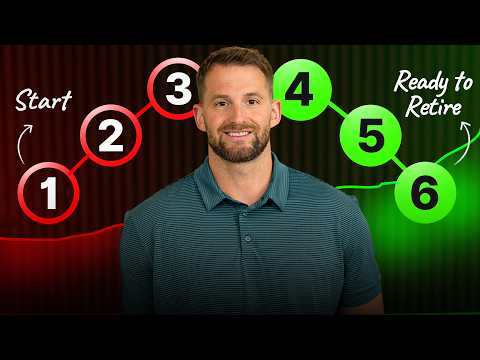
Retirement is not one long stretch. It usually unfolds in three stages:

  • Phase 1: Freedom Years (59½ – 65)
    These are the go-go years. Energy is high, and it’s often the best time for travel and experiences. On the financial side, this is when ACA planning and Roth conversions can be most effective.

  • Phase 2: Stability Years (65 – 75)
    Life settles into a rhythm. You’ll transition to Medicare, monitor possible IRMAA surcharges, and continue with tax planning. Some people may even increase equity exposure since fewer years of spending remain.

  • Phase 3: Legacy Years (75+)
    Spending often slows, healthcare takes a bigger role, and legacy planning rises in importance. This is when estate updates, charitable giving, and family involvement in planning matter most.

When you plan for all three, you keep flexibility while aligning your finances with each stage of life.

The Bottom Line

Turning 59½ isn’t just about avoiding penalties. It’s about gaining new opportunities—whether it’s rolling money into an IRA, starting Roth conversions, managing healthcare costs, or setting up your Social Security and legacy plans.

By looking at the bigger picture, you can design a retirement strategy that adapts with you and supports the lifestyle you want in every stage ahead.

When most people think about turning 59½, one thing comes to mind: avoiding the 10% early withdrawal penalty. While that’s true, it’s only scratching the surface.

This milestone unlocks new options that can reshape the way you manage taxes, healthcare, and income for the rest of your life. Instead of just taking penalty-free withdrawals, think of 59½ as your chance to start building a more flexible, tax-efficient retirement plan.

Here are five smart moves to consider.

1. Take Advantage of an In-Service Rollover

If your 401(k) plan allows it, an in-service rollover lets you move money into an IRA while you’re still working and contributing to the plan.

Why it matters:

  • More choices. IRAs typically offer far more investment options than workplace plans.

  • Better planning. With an IRA, you can explore strategies like bond ladders for predictable income, Roth conversions, or building “tax buckets” to draw from later.

  • A bigger picture view. An IRA isn’t just about investments—it gives you the flexibility to coordinate your tax strategy, income timing, and healthcare planning in one place.

Think of it as setting up the tools you’ll need long before you actually start drawing on them.

2. Step Into the Roth Conversion Golden Zone

Before 59½, paying Roth conversion taxes from your IRA meant a penalty. Once you reach this age, that penalty disappears—creating what’s often called the Roth conversion golden zone.

Why this matters:

  • You can start shifting money into Roth accounts, which grow tax-free and give you tax-free withdrawals later.

  • You gain flexibility over how much tax you pay and when.

  • You reduce future issues like large RMDs, higher Medicare premiums, and taxable Social Security benefits.

For some, it even makes sense to adjust 401(k) contributions and use some of that cash flow to cover conversion taxes. Done thoughtfully, this builds tax diversification and gives you more control over retirement income.

3. Plan Ahead for Healthcare

If you’re planning to retire before Medicare kicks in at 65, healthcare is a big piece of the puzzle. Age 59½ gives you more ways to manage it.

Here’s the key insight: ACA premiums are based on your reported income, not what you spend. By balancing where you pull income from—like combining traditional withdrawals with Roth IRA withdrawals—you can keep income low enough to qualify for valuable subsidies.

The result? For many households, premiums can drop from thousands of dollars a month to just a few hundred, without reducing lifestyle.

This is also the time to decide whether you want to retire before Medicare or wait until coverage is automatic at 65.

4. Build Your Social Security Strategy Early

You can’t claim Social Security at 59½, but you can start shaping the strategy. What you do now influences how much of your benefit will be taxed and what your Medicare premiums will look like later.

Up to 85% of Social Security benefits can be taxable. But if you start Roth conversions or manage income ahead of time, you can reduce how much shows up on your tax return.

The goal isn’t to avoid taxes altogether. It’s to keep your income steady, avoid sharp spikes, and give yourself more choices in how you use your benefits down the road.

5. Design for the Three Phases of Retirement

Retirement is not one long stretch. It usually unfolds in three stages:

  • Phase 1: Freedom Years (59½ – 65)
    These are the go-go years. Energy is high, and it’s often the best time for travel and experiences. On the financial side, this is when ACA planning and Roth conversions can be most effective.

  • Phase 2: Stability Years (65 – 75)
    Life settles into a rhythm. You’ll transition to Medicare, monitor possible IRMAA surcharges, and continue with tax planning. Some people may even increase equity exposure since fewer years of spending remain.

  • Phase 3: Legacy Years (75+)
    Spending often slows, healthcare takes a bigger role, and legacy planning rises in importance. This is when estate updates, charitable giving, and family involvement in planning matter most.

When you plan for all three, you keep flexibility while aligning your finances with each stage of life.

The Bottom Line

Turning 59½ isn’t just about avoiding penalties. It’s about gaining new opportunities—whether it’s rolling money into an IRA, starting Roth conversions, managing healthcare costs, or setting up your Social Security and legacy plans.

By looking at the bigger picture, you can design a retirement strategy that adapts with you and supports the lifestyle you want in every stage ahead.

MOKAN Wealth Management is a registered investment adviser with the SEC and may only transact business with residents of states where the firm is registered or otherwise legally permitted subject to exemption or exclusion from registration requirements. Registration with the United States Securities and Exchange Commission or any state securities authority does not imply a certain level of skill or training. The information on this site is provided “AS IS” and without warranties, either express or implied. To the fullest extent permissible according to applicable laws, MOKAN Wealth Management (referred to as “MOKAN”) disclaims all warranties, express or implied, including, but not limited to, implied warranties of merchantability, non infringement, and suitability for a particular purpose. MOKAN does not warrant that the information will be free from error. None of the information provided is intended as investment, tax, accounting or legal advice, as an offer or solicitation of an offer to buy or sell, or as an endorsement of any company, security, fund, or other securities or non-securities offering. This information should not be relied upon for transacting securities or other investments. Under no circumstances shall MOKAN be liable for any direct, indirect, special, or consequential damages that result from the use of, or the inability to use, the materials provided. In no event shall MOKAN Wealth Management have any liability to you for damages, losses, and causes of action for accessing this commentary. Past performance is not indicative of future results.

© Copyright 2026MOKAN Wealth. All rights reserved.